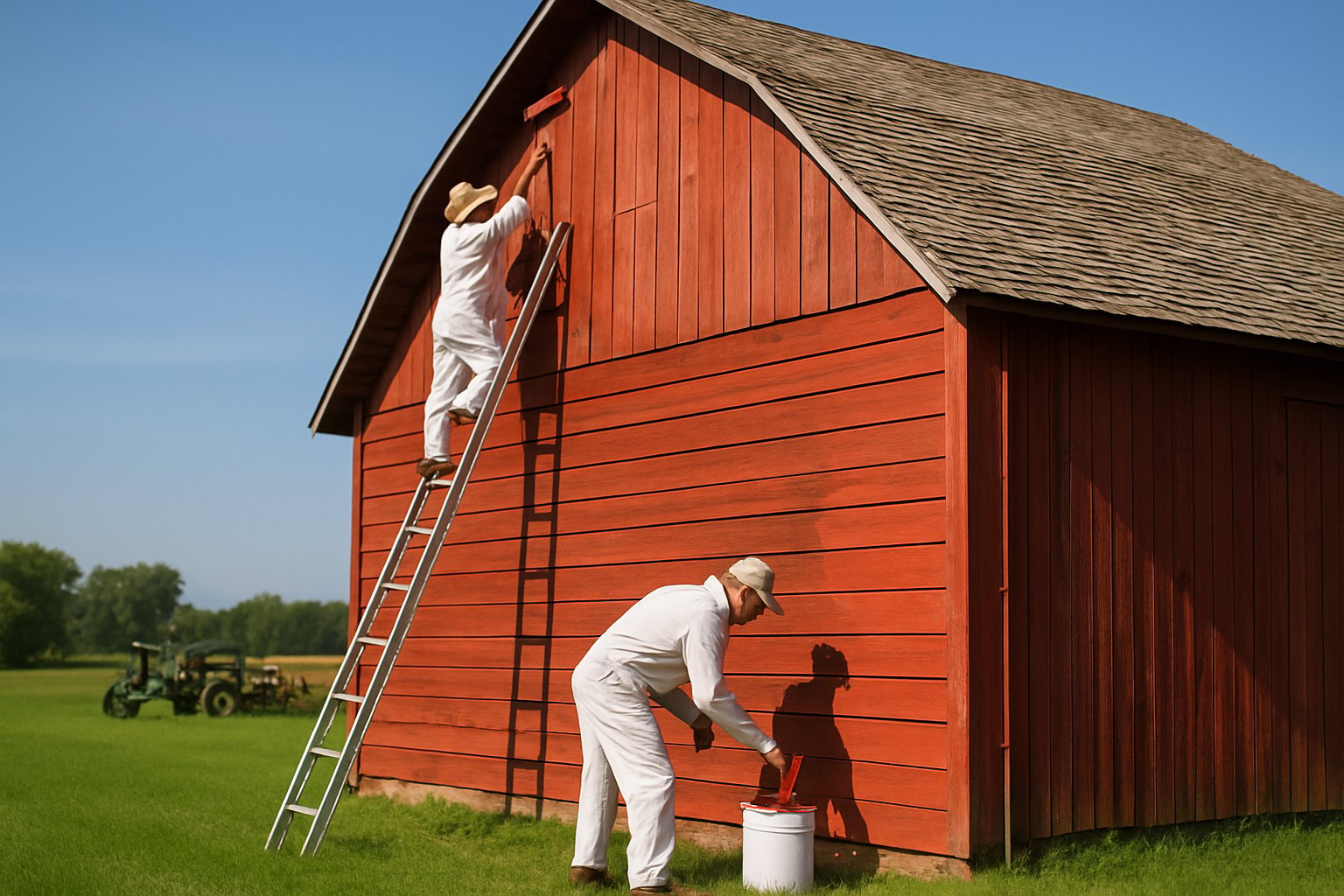
Winning on the Farm with Barn Painting Services
Professional Barn Painting Services & Expertise
When I look at all the barns in Norfolk County, I see more than just a building. I see a big part of any farm or rural property. Over time, barns start to look worn from weather, rain, and sun. It’s not the end of the world or anything, but we can make it better. And so we should!
That’s where barn painters step in. A professional barn painter protects and refreshes a barn’s appearance, helping it last longer and look better.
Hiring a pro isn’t just grabbing a bucket of paint. It takes careful prep work, the right equipment, and some real skill to handle barns of different shapes and sizes.
Good painters repair damage, clean dirty surfaces, and use high-quality paints that stand up to harsh weather. With their experience, they help keep barns in top shape year after year.
More farm owners are hiring barn painters like Ray Stewart to boost their barn’s value and looks. Learn more about how barn painting helps protect and maintain buildings and why it’s such a game changer.
What Barn Painters Do
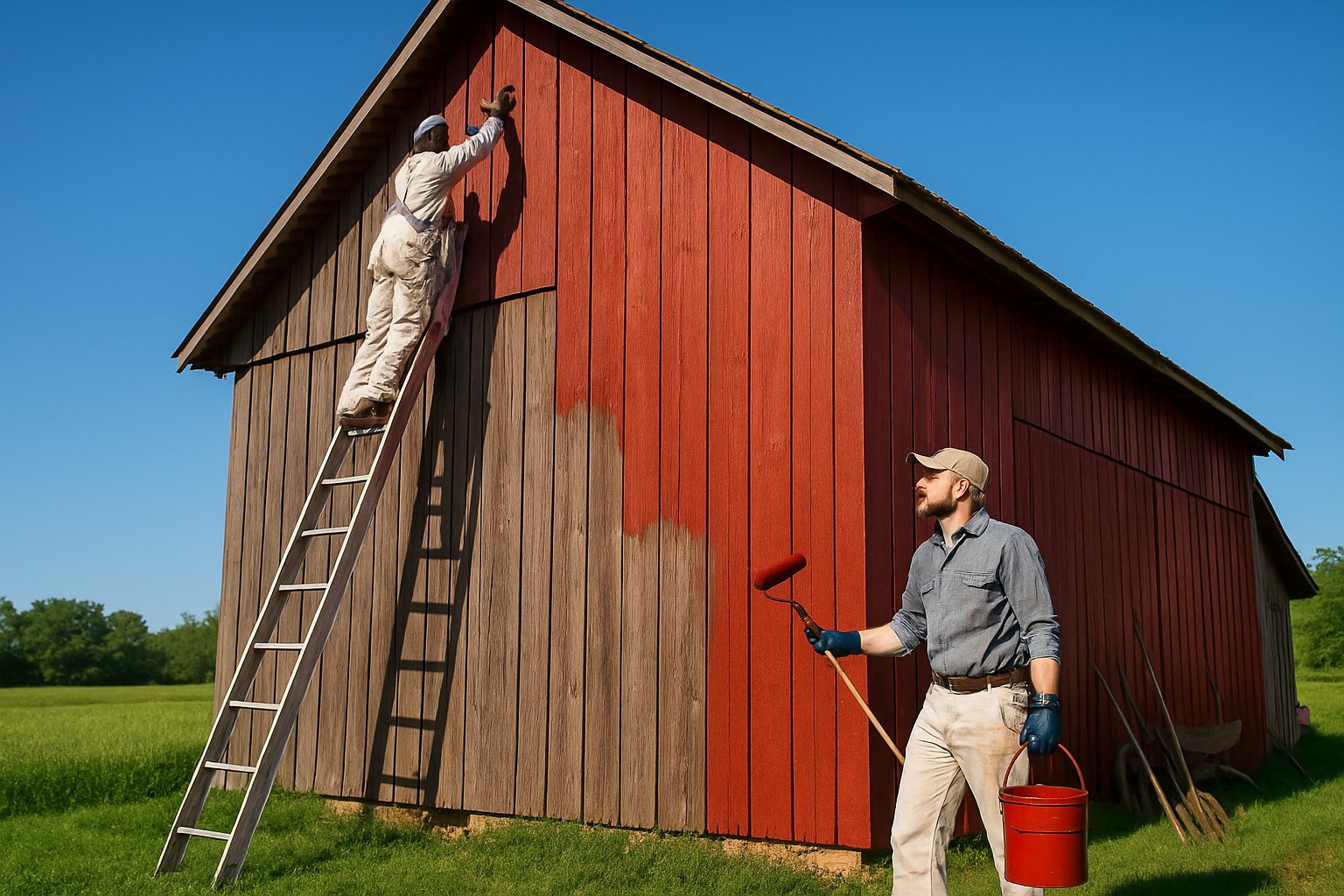
Barn painters do way more than slap on a coat of paint. Their work involves careful prep, choosing the right techniques, and making sure barns look good and hold up for years.
Barn Painting Techniques
When I paint a barn, I start by picking the right technique for the surface. Some barns are wood, others are metal or even concrete.
For wood, I use brushes and rollers to get paint deep into the grooves. On metal, sprayers and special coatings work best for even coverage.
I choose paint types based on what the barn needs. Acrylic latex paint is great for wood because it resists cracking and peeling.
For metal barns, I go with paints that stop rust and prevent chipping. I usually apply multiple coats for durability.
High, tricky spots need ladders or scaffolding. I keep an eye out for drips or pooling paint and smooth those out.
My aim is always a solid, even finish that looks sharp and lasts.
Surface Preparation and Repairs
Before any paint goes on, surface prep is critical. I start by washing the barn to get rid of dirt, grease, and old, flaky paint.
A pressure washer, scrapers, or stiff brushes do the trick. A clean surface helps new paint stick and last longer.
If there’s damage, I fix it first. For wood barns, that means swapping out rotted boards, nailing down loose pieces, and filling holes or cracks with putty or caulk.
On metal barns, I hunt for rust spots, sand them down, and treat them with rust-inhibiting primer. Handling repairs early keeps the barn protected and ready for paint.
This prep step stops small problems from turning into big headaches. It also keeps the barn’s structure strong.
Weather Protection and Longevity
A big part of my job is shielding the barn from weather. Paint acts as a barrier against rain, snow, wind, and sun.
With the right paint, I can keep water out of the wood, stopping rot, mold, and warping. On metal, special paints keep out moisture and block rust.
I recommend painting when the weather’s mild—spring or fall is usually best. Not too hot, not too cold.
Regular maintenance stretches out how long the paint job lasts. I suggest checking the barn every few years to touch up worn spots and fix small repairs.
Good barn painting keeps a barn sturdy and attractive for decades, especially if you use the right products and techniques. For more tips, check out this article about long-term barn care.
Choosing a Professional Barn Painter
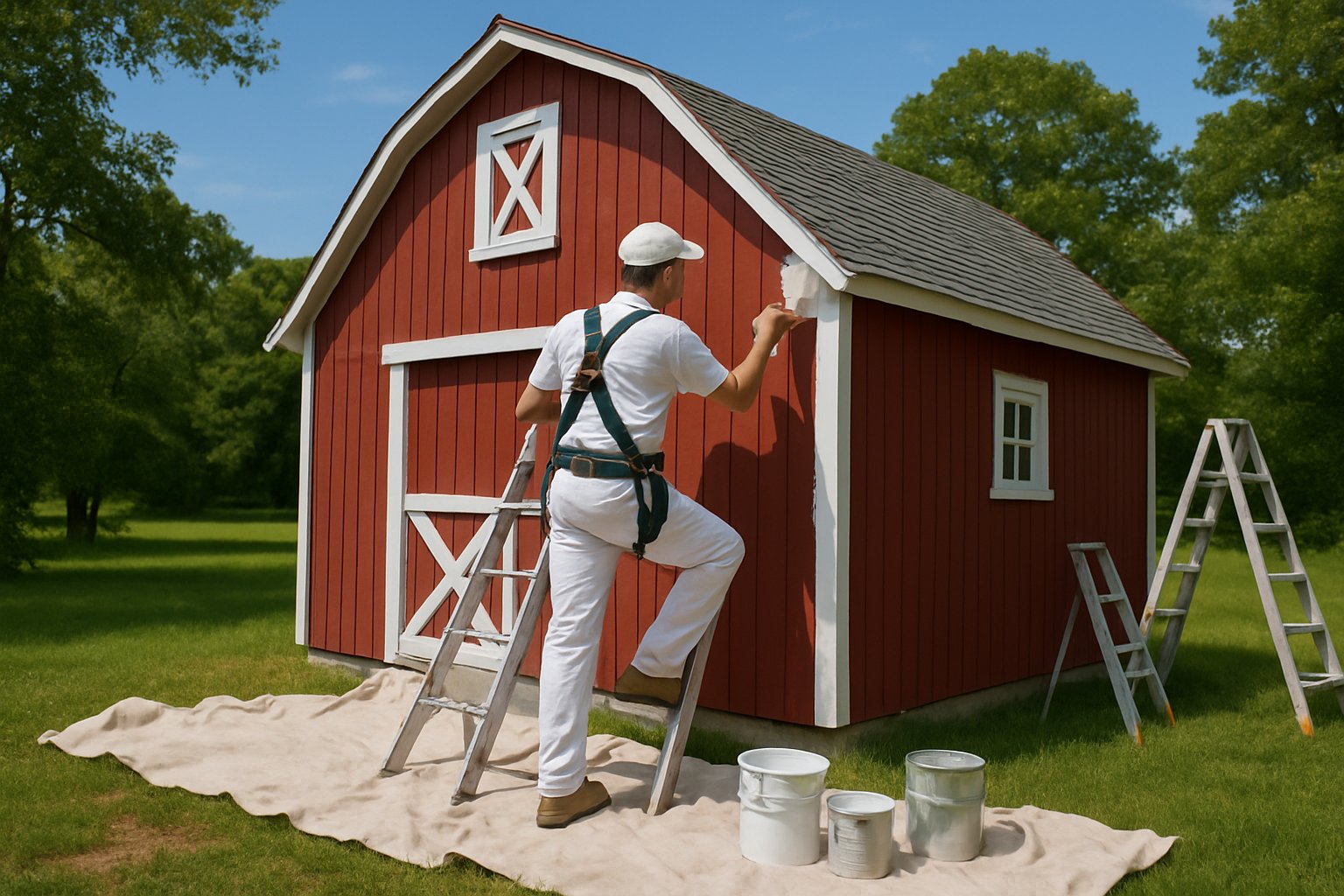
Finding the right barn painter in Norfolk County is key if you want your barn protected, looking good, and lasting for years. I always check for proven skills, custom options, and top-notch materials. Again, this is where Ray Stewart Barn Painting is the company to follow up with.
Experience and Credentials
When I hire a barn painter, I want someone who understands barns. Experience matters because barns are big, have odd shapes, and sometimes need special care—old wood, metal siding, you name it.
Painters with at least five years of barn-specific work have probably seen most issues and know how to handle them. A real pro can show certificates or licenses, which means they’ve had training and follow painting standards.
Insurance is a must. It protects me if someone gets hurt or something goes wrong.
I also look at reviews and before-and-after photos. They give a real sense of what the painter can do.
Customized Solutions
Every barn is different, so I don’t want a cookie-cutter service. Painters should inspect my barn and talk through what I want.
This means checking for rotten wood, surface defects, and old paint layers. The right painter spots repairs before any paint goes on.
Some companies offer digital color matching, which helps me pick the right shade. Custom plans can include extra treatments for worn areas, advice on resurfacing, or tips for keeping the barn in shape.
When I’m not sure, I look for painters who listen, walk through the options, and agree to a detailed plan before starting. Good painters adjust their approach to fit my barn and preferences.
Quality Materials Used
The materials really matter for how long the paint will last. I look for painters who use exterior-grade paint that stands up to tough weather and UV rays.
Better paints grip surfaces, keep moisture out, and keep colors from fading. Professional barn painters usually use primers first, which is important for rough or older wood.
Priming helps paint stick and stops peeling. Specialized coatings or resurfacers might be needed, especially for barns that take a beating.
Using sturdy tools like sprayers helps get an even coat. I always ask about the brands and types they use, and whether they follow steps that help paint last.
Knowing about barn-specific paints and resurfacers tells me they care about quality. For more on recommended paints and methods, check out these tips on barn paint types and durability.
Barn Painting Services and Additional Offerings
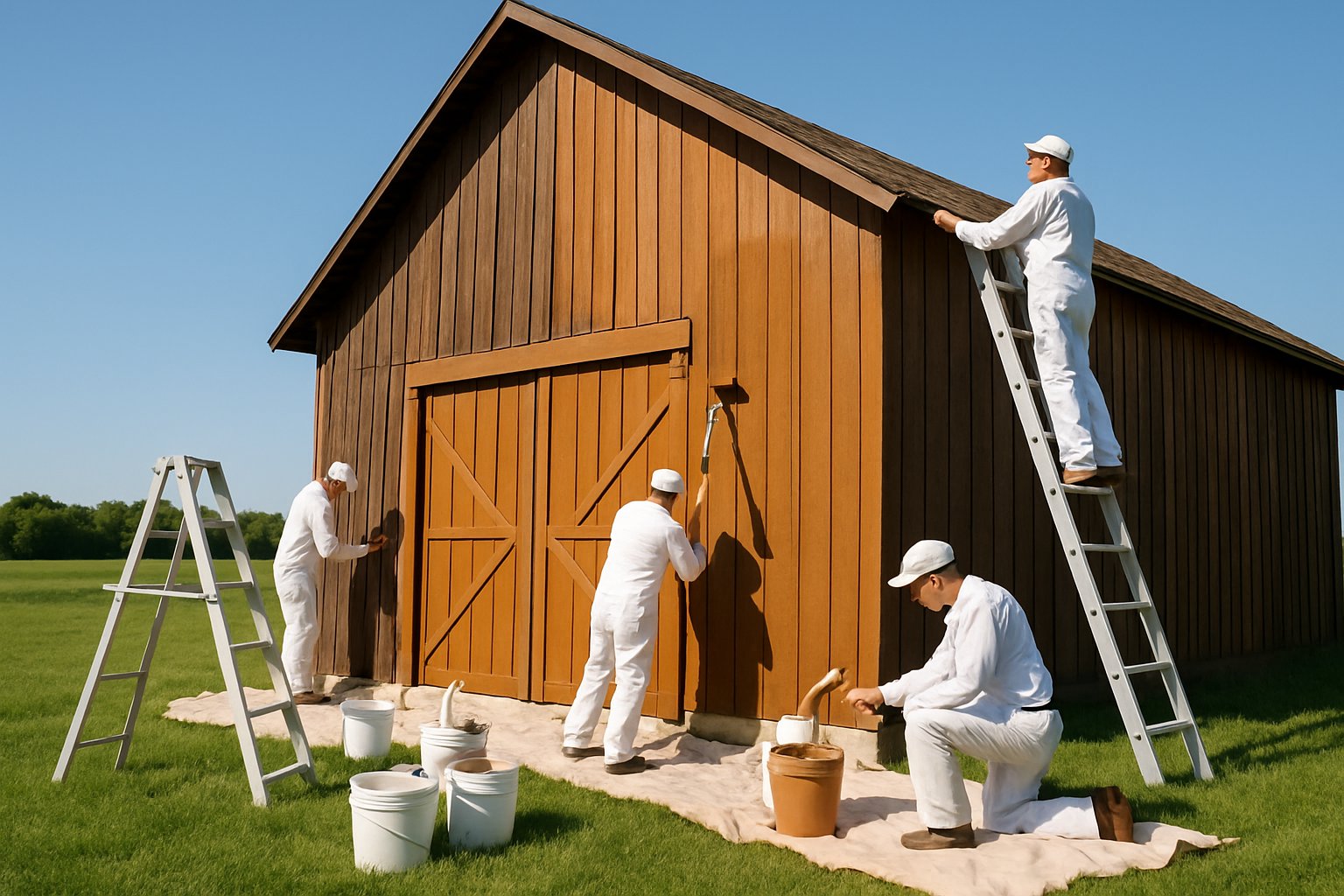
Eavestroughing Installation
When I’m working on a barn, I often spot water damage as a big issue. That’s why I also provide eavestrough installation.
Eavestroughs carry rainwater away from the building, keeping the foundation and walls dry. I pick tough materials that can handle harsh weather and blockages.
Every connection gets sealed tight to stop leaks. Good eavestroughs prevent rot, mold, and soil erosion.
Here’s a quick breakdown of what goes into eavestroughing:
| Feature | Benefit |
|---|---|
| Custom Fit | Matches each barn’s roofline |
| Durable Materials | Lasts through tough seasons |
| Leak Prevention | Protects building structure |
| Easy Cleanup | Reduces clogs from leaves & debris |
I guarantee every eavestrough I install will improve water drainage and help protect the barn.
Commercial and Domestic Projects
My painting services work for barns of all sizes. I take on both commercial and domestic projects, from single-family places to big farm operations.
For commercial jobs, I focus on efficiency and keeping disruptions low. I use industrial paints that protect against weather, fading, and rust.
For domestic projects, I offer more color choices and finishes to match each owner’s style. No job’s too big or too small—I use the same care every time.
Safety and prep come first. Surfaces get cleaned and repaired before painting starts.
I often go with industrial urethane enamel and acrylic-based paints for the best results. These paints are known for their long-lasting coverage and quick drying, keeping barns looking sharp for longer.
Time to Paint
With all this in mind, isn’t it time to pick up the phone and message the best barn painter in Norfolk County, Ray Stewart Barn Painting Services? It is! Here is all the information you’ll need to get started: