Furnace Repair and Air Conditioner Repairs
Norfolk County’s Guide to Staying Warm… or Cool!
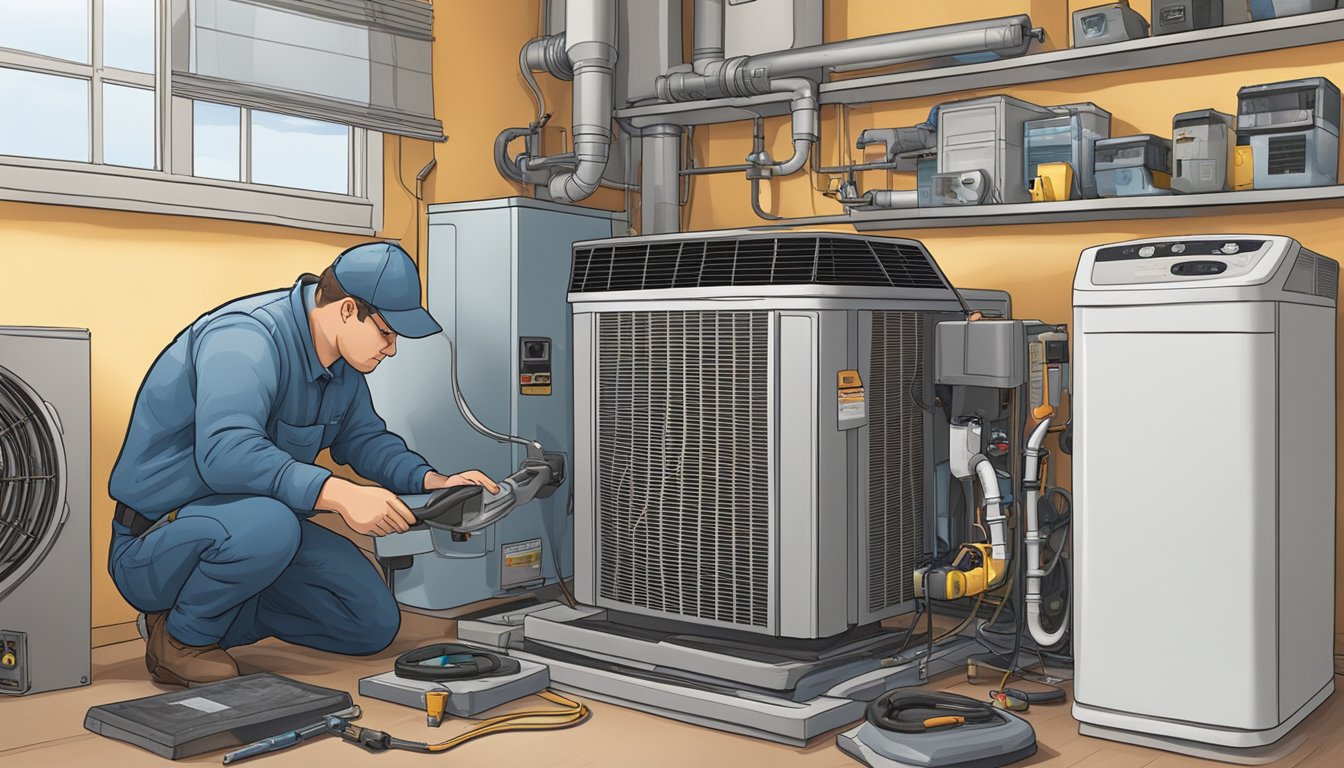
When your heating or cooling system stops working, it can quickly disrupt your home comfort. Professional HVAC repairs can diagnose and fix most furnace and air conditioning problems within a single service visit, getting your system back to peak performance.
Regular maintenance helps prevent breakdowns and extends equipment life. Simple tasks like cleaning fan blades improve airflow, boost efficiency, and reduce noise levels. These basic steps make a big difference in how well your system runs.
Your HVAC system needs attention before small issues become major repairs. Expert technicians can spot early warning signs and fix them fast. This prevents costly emergency repairs and keeps your home comfortable year-round.
Understanding HVAC Systems
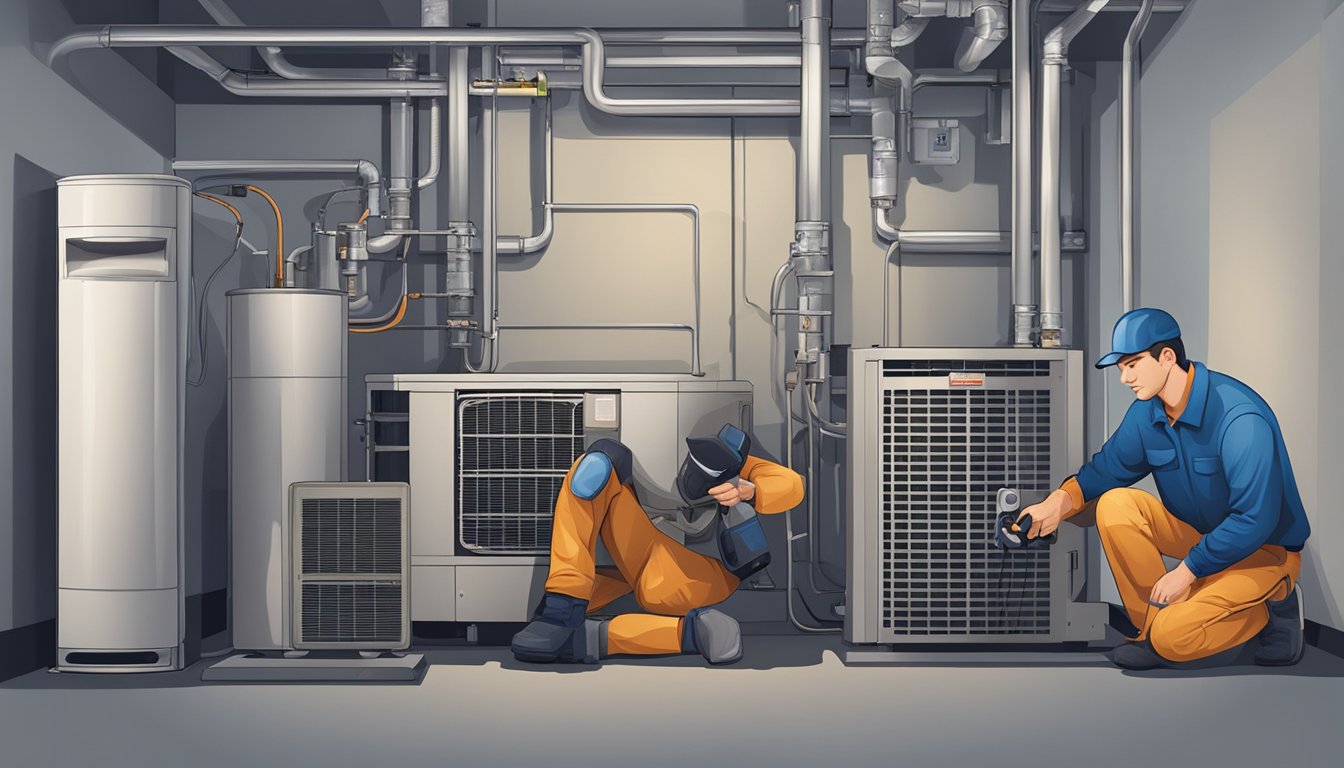
HVAC systems control the temperature, humidity, and air quality in your home through a network of connected components. These systems need proper care to work efficiently and keep you comfortable year-round.
Components and Functionality
Your HVAC system has several key parts that work together. The furnace heats air during cold weather, while the air conditioner cools and dehumidifies during warm periods.
A central air handling unit contains the blower that moves air through your home’s ductwork. The thermostat acts as the control center, telling the system when to turn on and off.
Air filters trap dust and debris to keep your air clean. Return vents pull indoor air back to be reconditioned, while supply vents distribute the treated air to each room.
Importance of Regular HVAC Maintenance
Regular maintenance helps prevent costly breakdowns and extends your system’s lifespan. You should schedule professional tune-ups twice yearly – once before heating season and once before cooling season.
Common maintenance tasks include:
- Cleaning or replacing air filters every 1-3 months
- Checking and cleaning coils
- Testing thermostat function
- Inspecting electrical connections
- Lubricating moving parts
Well-maintained HVAC systems typically last 15-20 years. Proper care also helps your system run more efficiently, which can reduce your energy bills by 5-15%.
Recognizing Common Furnace Issues
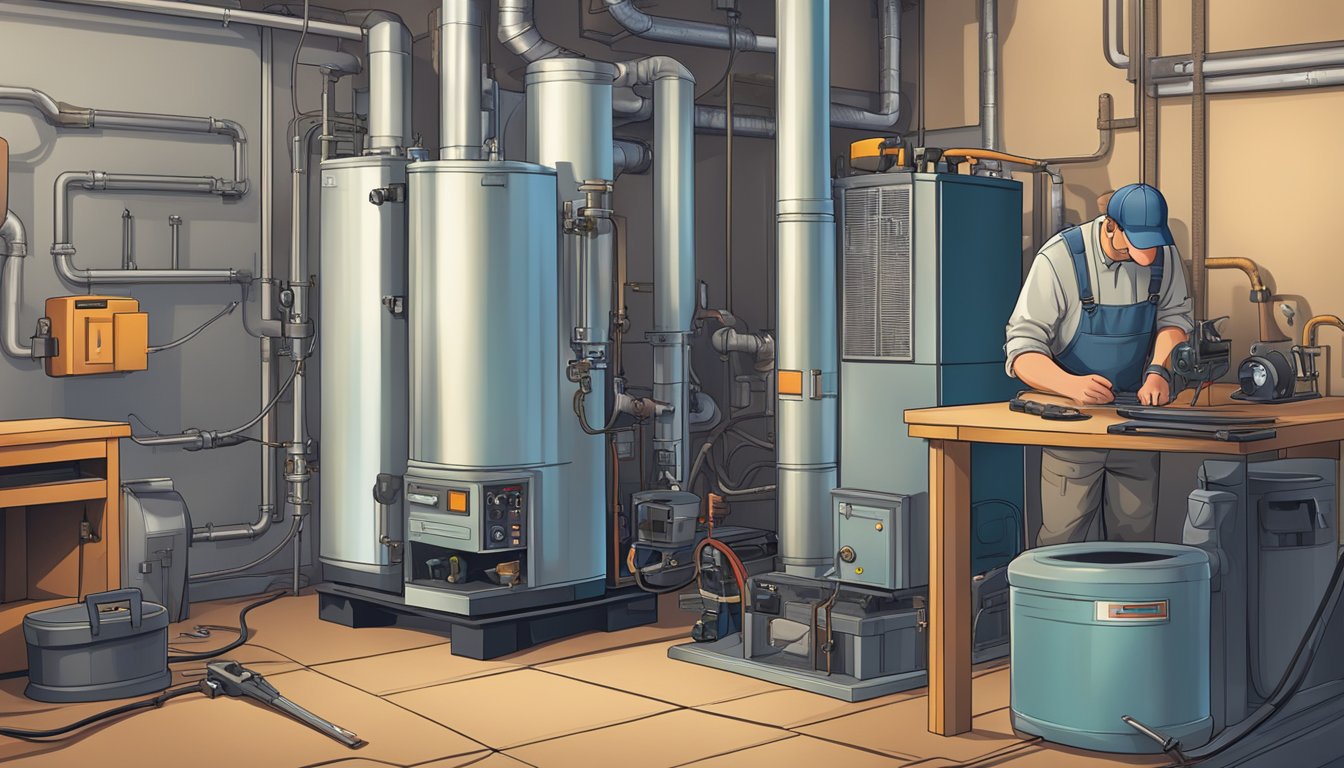
Your furnace gives clear warning signs when it needs attention. Paying attention to these signals can help prevent costly breakdowns and keep your home warm.
Identifying Loud Noises
Strange noises from your furnace often point to specific problems. A banging sound typically means delayed ignition or loose components. Squealing indicates belt issues or motor problems.
Scraping noises suggest metal parts rubbing together, which needs immediate attention. Clicking sounds are normal during startup, but constant clicking might mean thermostat problems.
Common Furnace Sounds and Meanings:
- Rumbling: Dirty burners
- Whistling: Dirty filter or air leak
- Humming: Fan motor issues
- Rattling: Loose panels
Understanding Furnace Repair Services
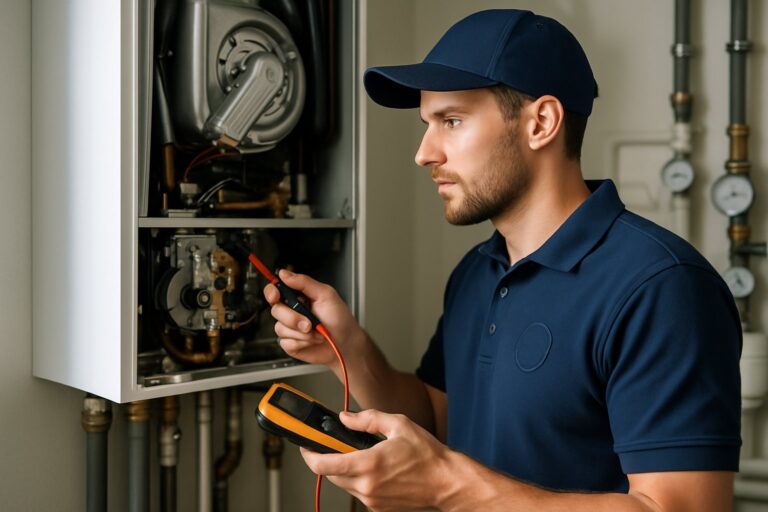
Professional furnace repair starts with a thorough inspection. Technicians check your system’s components, including the heat exchanger, blower motor, and ignition system.
You should call for repairs when:
- The furnace won’t turn on
- There’s no heat coming from vents
- Your energy bills spike unexpectedly
- The pilot light is yellow instead of blue
Regular maintenance can prevent 85% of furnace breakdowns. Most repairs cost between $130 and $500, with emergency services costing more.
Air Conditioner Repair Strategies
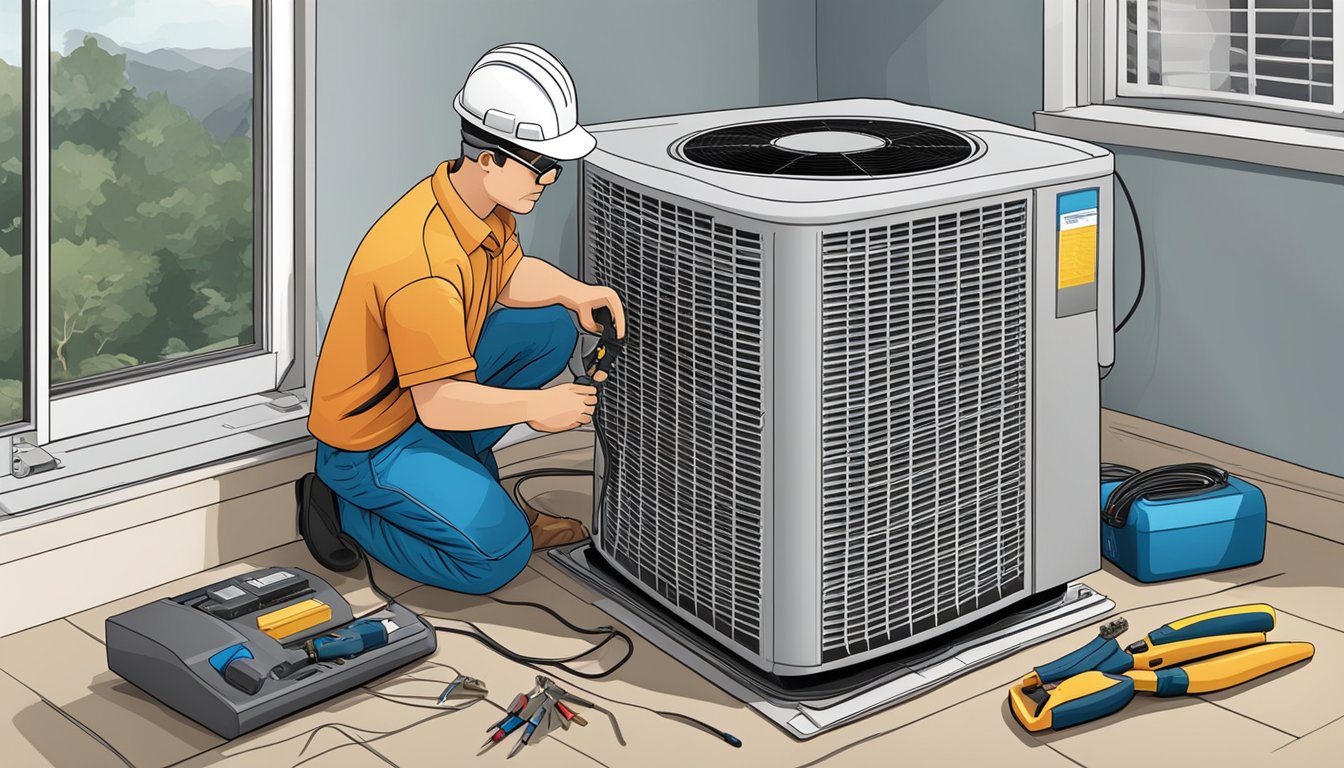
Basic AC repairs can save you money and prevent system failures. Regular maintenance and quick problem identification are essential skills for any homeowner.
Dealing with Ductless AC Units
Ductless AC units need specific care to maintain optimal performance. Clean the filters every 2-4 weeks to prevent airflow issues and system strain.
Check the outdoor unit monthly for debris and clean around it carefully. Keep at least 2 feet of clearance on all sides.
Watch for these warning signs:
- Unusual noises or vibrations
- Weak airflow
- Ice formation on coils
- Uneven cooling between zones
Test each indoor unit’s remote control regularly. Replace batteries when needed and verify all settings work correctly.
Certified Technician Interventions
Professional AC repairs typically cost between $150 to $1,000 depending on the issue. You need a certified technician for:
- Refrigerant leaks or recharging
- Electrical component failures
- Compressor problems
- Complex control board issues
Schedule annual professional maintenance in spring before peak cooling season. This helps prevent costly breakdowns and extends system life.
A qualified technician will test refrigerant levels, check electrical connections, and calibrate your thermostat. They can also spot potential problems before they become serious issues.
Financing and Investment Protection
Affordable monthly payments and protection plans make installing and maintaining HVAC equipment more manageable while safeguarding your investment for years to come.
Navigating Financing Options
Monthly payment plans let you spread the cost of a new furnace or air conditioner over 5-15 years. Credit approval is required, but flexible terms help fit your budget.
You can set up automatic payments through:
- Direct debit from your bank account
- Credit card payments
- Rental programs with low monthly fees
Rental options start around $54 per month for a basic furnace and AC system. No upfront administration fees apply with most rental programs.
Protect Your HVAC Investment
Equipment protection plans cover parts and labor for expensive repairs that might be needed as your system ages. Basic plans work well for newer equipment needing minimal service.
Monthly protection costs range from $17-29 depending on coverage level. Most plans include:
- Annual maintenance visits
- Priority service calls
- No diagnostic fees
- Parts replacement coverage
- Labor cost coverage
Choose coverage based on your equipment age and repair history. Newer systems need less protection while older units benefit from comprehensive plans.
Optimizing Home Comfort and Efficiency
Making smart choices about heating and cooling equipment can save money while keeping your home comfortable year-round. Regular maintenance and professional service are key to achieving these goals.
Reducing Energy Bills
High-efficiency furnace systems can significantly cut your monthly costs through improved performance. These systems use less energy while maintaining consistent temperatures throughout your home.
Ceiling fans paired with air conditioning can reduce your cooling expenses. Fans use only 1% of the electricity that air conditioners consume – running a fan for 24 hours uses the same power as 14.4 minutes of AC operation.
Set your thermostat to optimal temperatures: 68°F for heating and 78°F for cooling. Every degree adjustment can impact your energy usage by 3-5%.
Choosing Service and Installation Providers
Look for certified technicians with proper licensing and insurance. Ask about their experience with your specific type of system.
Regular maintenance appointments help prevent costly breakdowns. Choose providers that offer labor warranties and maintenance plans to protect your investment.
Request multiple quotes and compare:
- Detailed cost breakdowns
- Warranty coverage
- Response time guarantees
- Emergency service availability
- Customer reviews and ratings
Check that providers offer 24/7 emergency services and guarantee their work in writing.
Frequently Asked Questions
Common heating and cooling system problems often have clear warning signs that help identify issues early, while regular maintenance helps prevent costly breakdowns and extends equipment life.
What are the typical signs that indicate a furnace needs repair?
Watch for unusual noises like banging or whistling sounds coming from your furnace. Strange smells, especially burning odors, need immediate attention.
Your energy bills might spike unexpectedly when the furnace isn’t working properly. This happens because the system works harder to maintain temperature.
Yellow pilot lights instead of blue ones indicate poor combustion. You might also notice uneven heating throughout your home.
How often should routine maintenance be performed on an air conditioning unit?
Your AC unit needs a professional checkup once per year, ideally in spring before heavy use begins.
Regular duct cleaning prevents buildup of dust and allergens that can affect system performance and air quality.
Change or clean air filters every 1-3 months depending on usage and environmental conditions.
What can I expect to pay for a basic furnace repair service?
Basic furnace repairs typically cost between $800 and $1,000, though complex issues may reach up to $8,000.
The final cost depends on parts needed and labor time required. Emergency or after-hours service usually costs more.
Are there any recommended brands for reliable furnace and AC units?
Look for units with high AFUE ratings – the best gas furnaces achieve 90-98% efficiency.
Choose systems with good warranty coverage and proven reliability records. Research customer reviews and performance ratings before making a decision.
How can I troubleshoot common issues with my home’s heating and cooling systems?
Check your thermostat settings and batteries first. Make sure the temperature setting matches your comfort needs.
Air conditioners work by cooling and circulating air through your home. Verify airflow isn’t blocked by furniture or debris.
Inspect air filters monthly and replace when dirty. Clean vents and registers regularly.
What steps should I take if my AC unit is operational but the furnace won’t start?
Check your circuit breaker to ensure power is reaching the furnace. Reset if necessary.
Verify the thermostat is set to “heat” mode and temperature is above room temperature.
Make sure the gas valve is open if you have a gas furnace. Check that the pilot light is lit if your model has one.